(Norwich Waterfront, 11/05/2023)
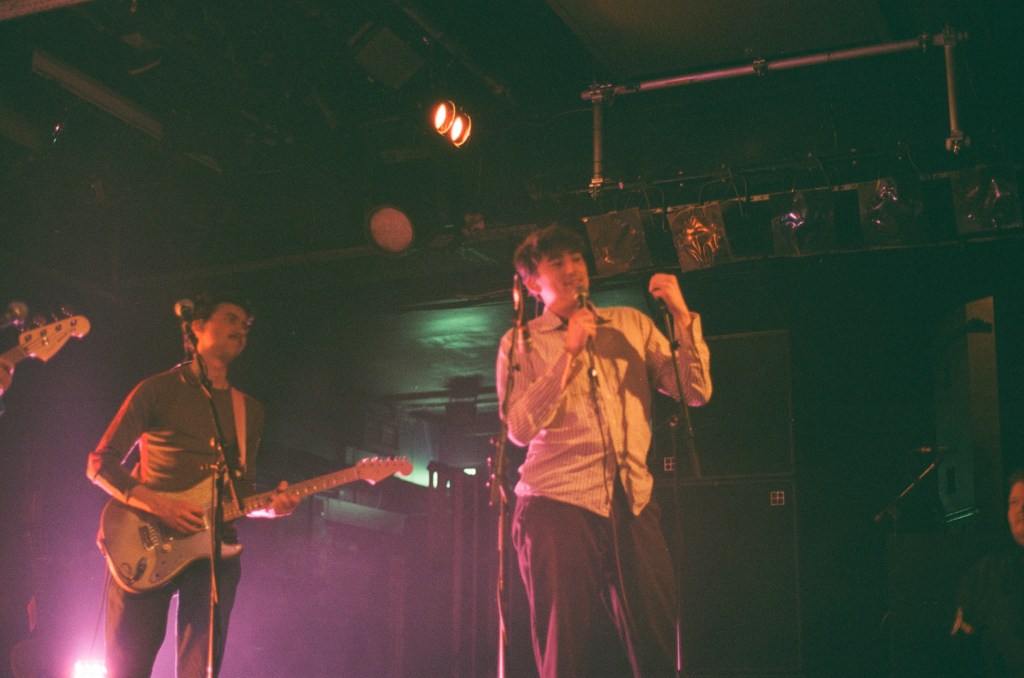
It occurs to me, sometimes, that the audience relationship with indie and alternative music, in stark contrast to pop, is a kind of confused hybrid of ironic detachment and utter sincerity. Seeing Black Country, New Road (BCNR for the cool kids) last night – who have experienced a vast yet successful shift from angsty, guilt-ridden post-rock jams to a mellower, less oblique style – I was reminded of an UPROXX article about the etiquette of wearing a band’s T-shirts to their own gig. Metal bands, the author Steven Hyden notes, inspire a devout crowd for whom a shirt ‘is an expression of identity and pride’. Of course, this is still true in indie circles, albeit in a slightly clouded way. In essence, no one is fooled by the Black Country stan donning a black midi or Jockstrap shirt, but it’s important to retain a sense of plausible deniability – ‘Yeah I like this band, but I’m not gonna wear a T-shirt about it.’ Even the wild hoots and yells from the crowd have a faintly sardonic air, though it would be impossible to say who the joke is for.
BCNR, after a year or so touring a full live set that reprises nothing from their beloved pair of studio albums, are now confidently unmoored from former lead vocalist Isaac Wood’s incisive and husky panic-anthems about sexual insecurity, celebrity culture, and break-ups. They are a band of total earnestness, exemplified by the rousing sing-along chorus of “Up Song”: ‘look at what we did together / BCNR friends forever.’ For a track that will probably never appear on a standard release, “Up Song” has already become a scorching and virtuosic crowd-pleaser, a mission statement of recovery and mutual respect. Indeed, the act of releasing these tracks as ‘Live at Bush Hall’ suggests that the band is in a phase of heightened participation with their fans – they want to be approached on the level of a fun, communal experience. Hence, everybody sings in the new set. This undoubtably suits their style, which, while borrowing from abstract genres like free jazz and krautrock, has always had a remarkable structural integrity and sense of resolve.
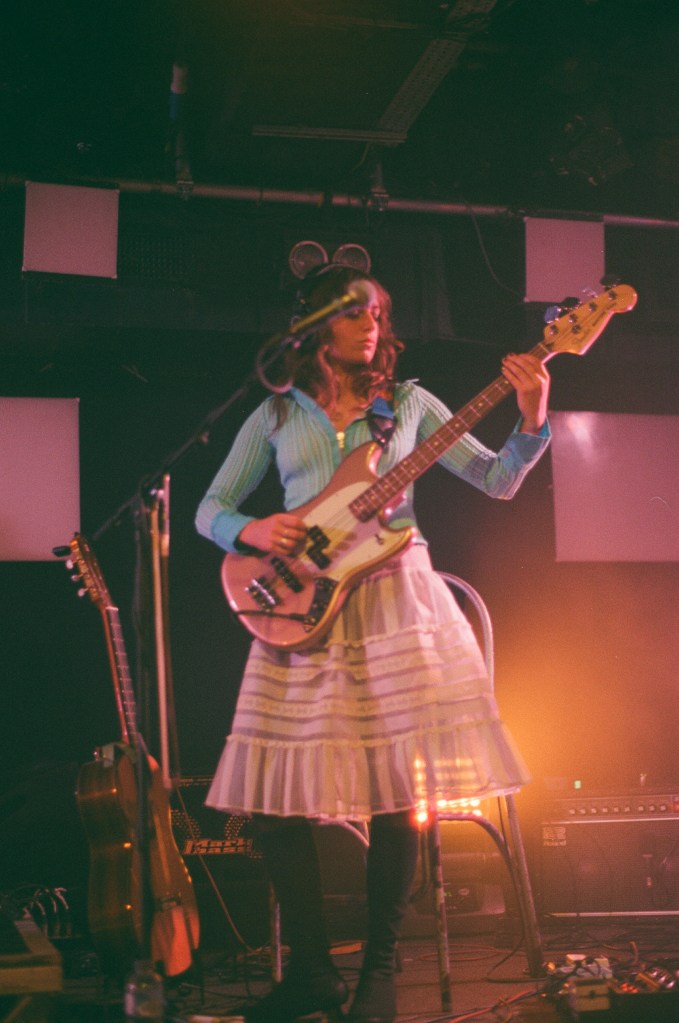
I first discovered the band at Latitude Festival in 2019. Like the Norwich Waterfront, where this most recent gig was held, the festival is a pivotal place for East Anglian indie fans – who, aside from living near London, may sometimes feel a bit malnourished. As with the best in British cuisine, it is a pleasure to dig into Latitude’s more obscure, harder to reach encounters: the burnt, crispy bits of pudding at the bottom of a toad in the hole; those strange and malformed scraps of batter nestling in the corner of a chip tray. In this mood of exploration, I stumbled into BCNR, who were midway through a small stage set of their debut crop of songs. The swirlingly chaotic feel and infectious, dynamic polyrhythms of their music became something of an instant obsession for me. When another festivalgoer who had been lured by their siren-like promise asked me, ‘Who are these guys?’, I’m fairly sure I replied: ‘No idea, but they’re the shit.’
And so, with the gratified yet slightly jaded aura of a proud father, I donned my tattered “Sunglasses” shirt yesterday and soundlessly expressed what I’ve been saying to all my friends for four long years: ‘This band is really good. I like them in a way that is stupid and sincere and probably a little unnerving.’ Liking a band “before they were cool” is such an awful cliché, though I do think it springs from the genuine attachments we form to bands who provide musical expression to the thoughts and feelings we have growing up, however arbitrary. For me (and perhaps many others), this affection is generational in nature: we may have enjoyed UK indie staples from Blur and Suede to the Arctic Monkeys and Alt-J, but they were always detached from us. They were someone else’s favourite band – perhaps a cold and mysterious older sibling. Our relationships are no less artificial – not ‘friends forever’ but abstracted faces and personalities blurred by the dividing line of pit and stage, the fissure of fiery blue and yellow lights dancing over the stage. Fandom is defined by this precarious tension: the contrast between the seeming “reality” of our shared emotional response and the obvious illusiveness of music, which is arguably its main appeal. In other words, my experience is inherently different to your experience, and there’s nothing about liking the same band that can bridge this enormous gulf. Luckily, even in the midst of their sunny communal chants, Black Country, New Road never try to resolve these contradictions. They are a band obsessed with the ethics of spectatorship – of seeing others from a distance, whether through a phone screen or the fog of celebrity – and this makes trying to capture their essence (as I tried to do in my photographs) a distinct and exciting challenge. (If you doubt this point, think of songs as varied as “Science Fair”, “Basketball Shoes”, and “Dancers”.)
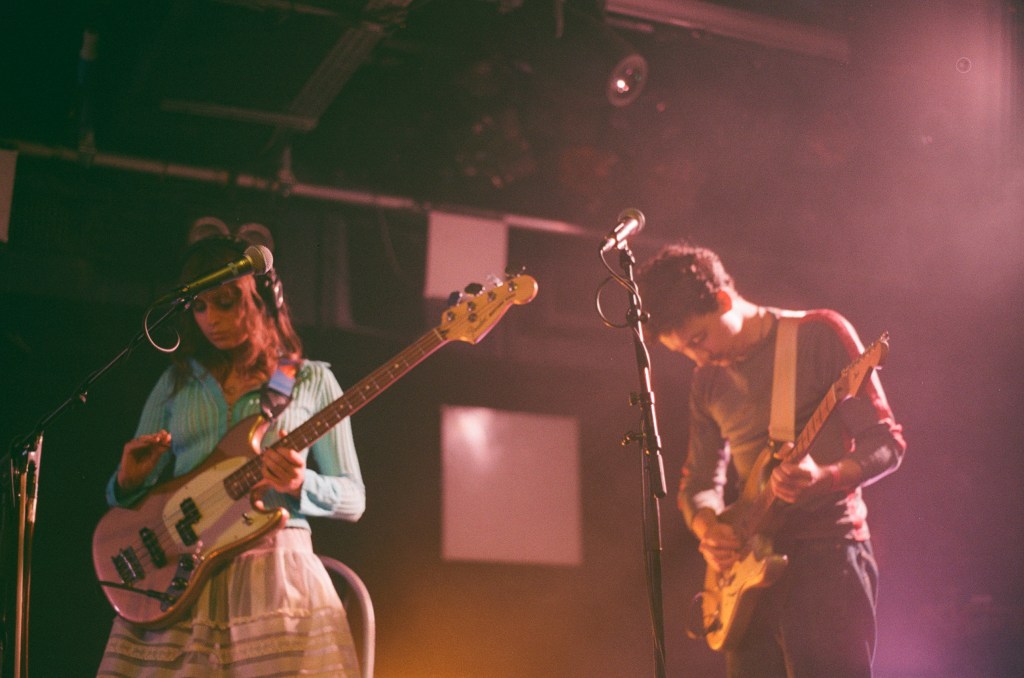
On stage, the band are as tense and technically brilliant as ever, shedding the counterpoint of lacerating self-denial for a more subdued, hopeful balladry. Flirtations with abstraction have been replaced by a playful reverence for indie-pop craftsmanship. Pianist May Kershaw, whose shift from synth to keyboard over their first two projects typifies the band’s transformative approach, delivers wonderfully spindly and responsive piano lines – projecting a heartrending delicacy onto her tune “Turbines/Pigs”, and also making “Dancers”’ themes of anonymity and performance animated and vibrant. This wonderful song in particular reflects a long-running concern in the band’s catalogue: the romantic vision that we project onto artists and the harrowing collapse of this projection. In Isaac’s songs, this related to sexual insecurity and our dizzying, tech-fuelled access to the lives of stars; for the current line-up, these ideas are expanded upon in a way that retains the band’s intimate and confessional approach, still a striking contrast to their unwaveringly vast sound.
Photographing the gig added to a sense of detachment for me, and ultimately made my experience less enjoyable, conscious as I was that the performance of a band I revere could be lessened by my gigantic head popping too high above the barrier. Alone, and adopting a first-time, “fake it till you make it” approach to concert photography, I constantly searched for the timorous nods of the various bouncers, letting me know that my conduct was ok. I was some strange official stuck in no man’s land, darting in a Dune-like crab walk between glimmering strips of metal (which provided a rest but also a too-comfortable space to take unambitious shots). I couldn’t fully give myself up to the performance, as the crowd beside me could; and I obviously couldn’t feel as motivated and as in command as the band did. My art, I felt, was restricted, despite the opportunity. Photographers are often lonely people, and the rush I get when seeing some developed shots is perhaps counterbalanced by the knowledge that I can never really retain these moments. They are experiences soiled by the attempt of making them last. The result is likely a worm’s eye view of the band. I tried to be as respectful as possible, though I couldn’t help thinking that if I were a musician, I would find photographers deeply upsetting.

I hope that my photos do justice to the tenacity and strained romanticism of BCNR’s best work. They’re excellent musicians and it’s well worth making the pilgrimage to see them captivate a crowd of swaying, adulating bodies. Here’s to Black Country, New Road, a band for whom I could never be an honest critic.

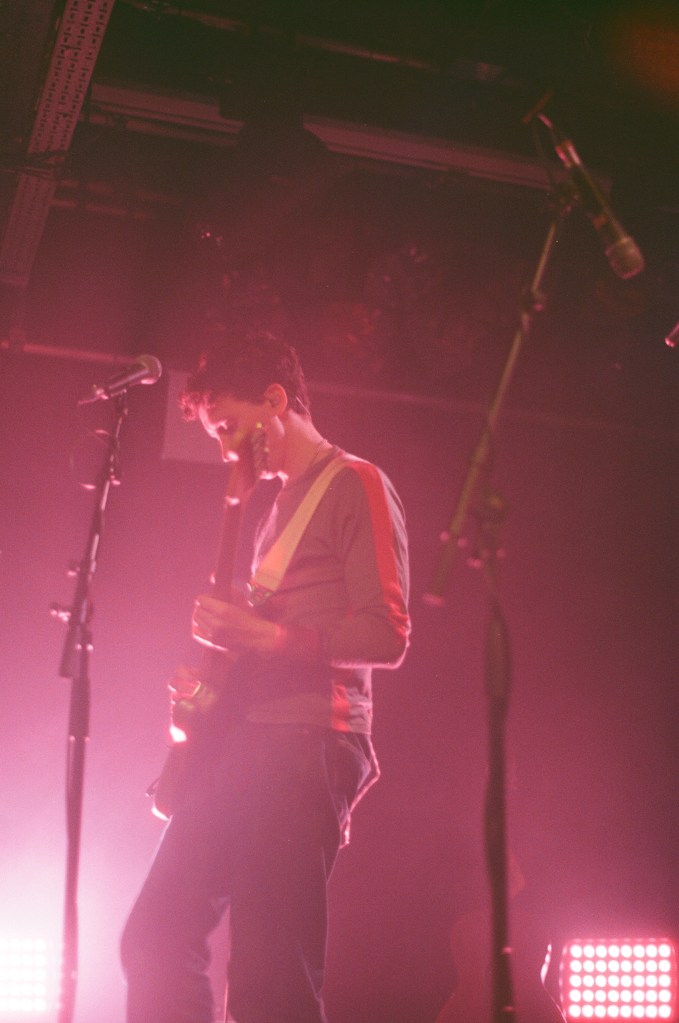


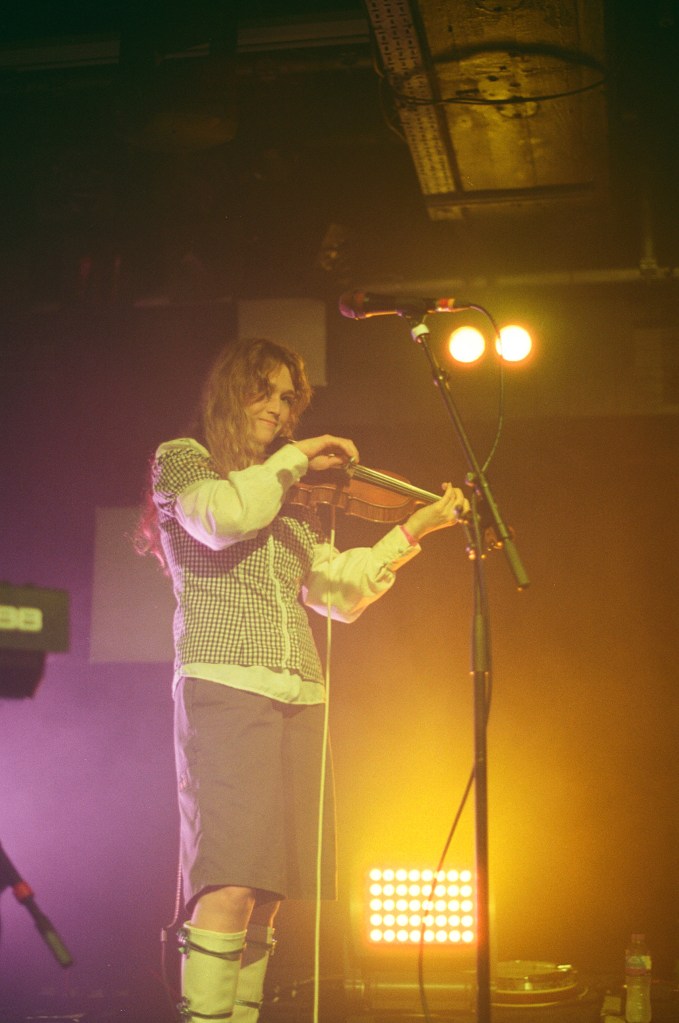
Words and photos by Joe Bullock
 The Beaten Track